Improving health outcomes
Better health outcomes through responsive, person-centred care




Our programs delivered measurable improvements for people across the lifespan. Here we highlight just some of the programs delivering better health outcomes for people and communities in our region, particularly for those whose needs have been historically under-served.
Scroll to explore ↓
Pasifika and Māori Health Strategy: Independent evaluation confirms improved outcomes
An independent evaluation of our Pasifika and Māori Health and Wellbeing Strategy 2020–2025 confirmed measurable outcomes when communities lead program design through genuine co-governance.
The report found programs delivered under the strategy had improved maternal wellbeing, improved mental health services engagement and increased workforce participation in culturally responsive programs.
How we achieved this: 50/50 governance
Our governance model shares decision-making power equally between community leaders and health system partners. More than $2.6 million was invested through equal decision-making across 3 priority areas: long-term wellness, maternal and child health, and mental wealth.
In 50/50 governance, community representatives hold equal authority over strategy, investment priorities, program design and accountability measures. Programs were designed by Pasifika and Māori communities rather than adapted from generic mainstream models.
Side by Side: Rebuilding connection and identity
Participants in the Side by Side mental health project reported improved emotional wellbeing, stronger community connections and renewed confidence in accessing health supports.
The evaluation noted outcomes that clinical interventions alone rarely achieve the rebuilding of identity and community connection after isolation. These outcomes matter for mental health because identity, belonging and connection are protective factors.
"For many, Side by Side became a turning point in rebuilding identity and community trust after COVID-19 isolation."
Evidence for what works
This evaluation provides replicable evidence that when communities hold genuine decision-making power—not just provide input—health outcomes improve. Community-led design through genuine co-governance produces different outcomes than system-led design adapted for cultural diversity.

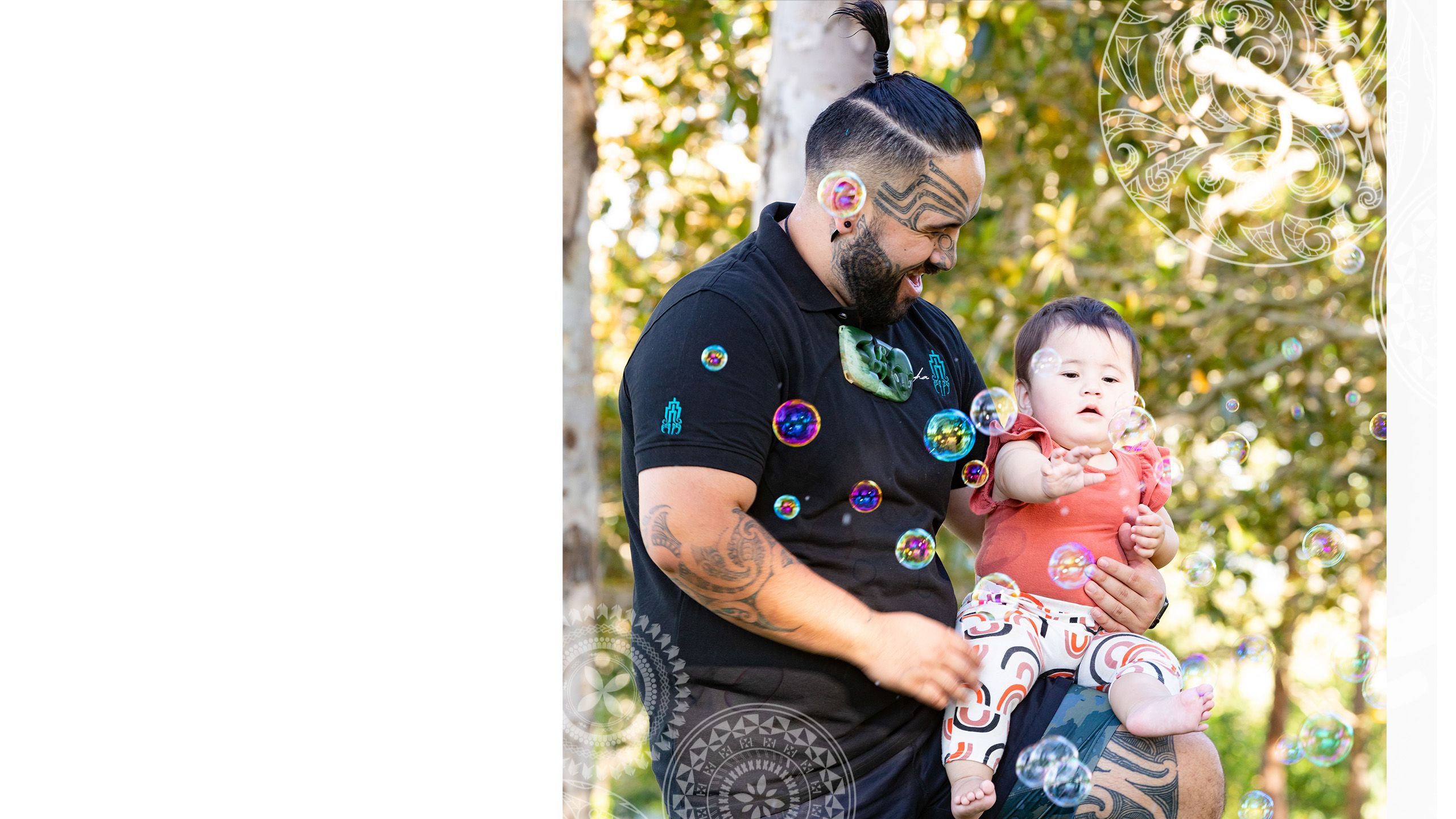
First Nations community-led program design: Self-determination improves engagement and outcomes
We invested $5.3 million in First Nations-led services this year, supporting self-determination through resource allocation that enables communities to design and deliver care that reflects the priorities, cultural strengths and ways of knowing of First Nations peoples.
Building pathways into health careers
We supported 5 students through the Aunty Joan Hendricks Bursary, delivered in partnership with the Institute for Urban Indigenous Health, creating pathways for First Nations people to enter health careers and shape health systems from within.
Suicide prevention through community leadership
Forty First Nations community members completed culturally informed mental health first aid and suicide prevention training through Inala Wangarra. This wasn't just training delivered to community—it was community-led capacity building, creating sustainable local networks.
The program fostered empowerment, strengthened local social networks and created plans to support local First Nations trainers to deliver mental health and suicide prevention education in future—creating both social capital and economic participation.
Monthly gatherings are continuing, creating sustained community networks rather than time-limited programs. This recognises that suicide prevention requires community connection and collective action, not just individual clinical intervention.
Building systemic capability
- 95% of Brisbane South PHN staff completed First Nations Cultural Learning
- 30% participated in face-to-face training, deepening understanding
- First Nations Cultural Lens Framework introduced across all our PHN's work
The Cultural Lens Framework helps staff integrate cultural perspectives at every decision point—asking 'have we considered how this might land for First Nations communities?' in all planning, not just when designing First Nations-specific programs.
When entire organisations build cultural capability, it changes how services are designed, how communication occurs and how partnerships form. This systemic change creates conditions for better outcomes by reducing racism, increasing cultural safety and enabling more responsive care.


Thriving and On Track:
Early intervention improves developmental outcomes for children before school age
The first 5 years of life are critical to a child’s development. These years contribute meaningfully to how a person’s health, learning, and wellbeing is shaped for years to come.
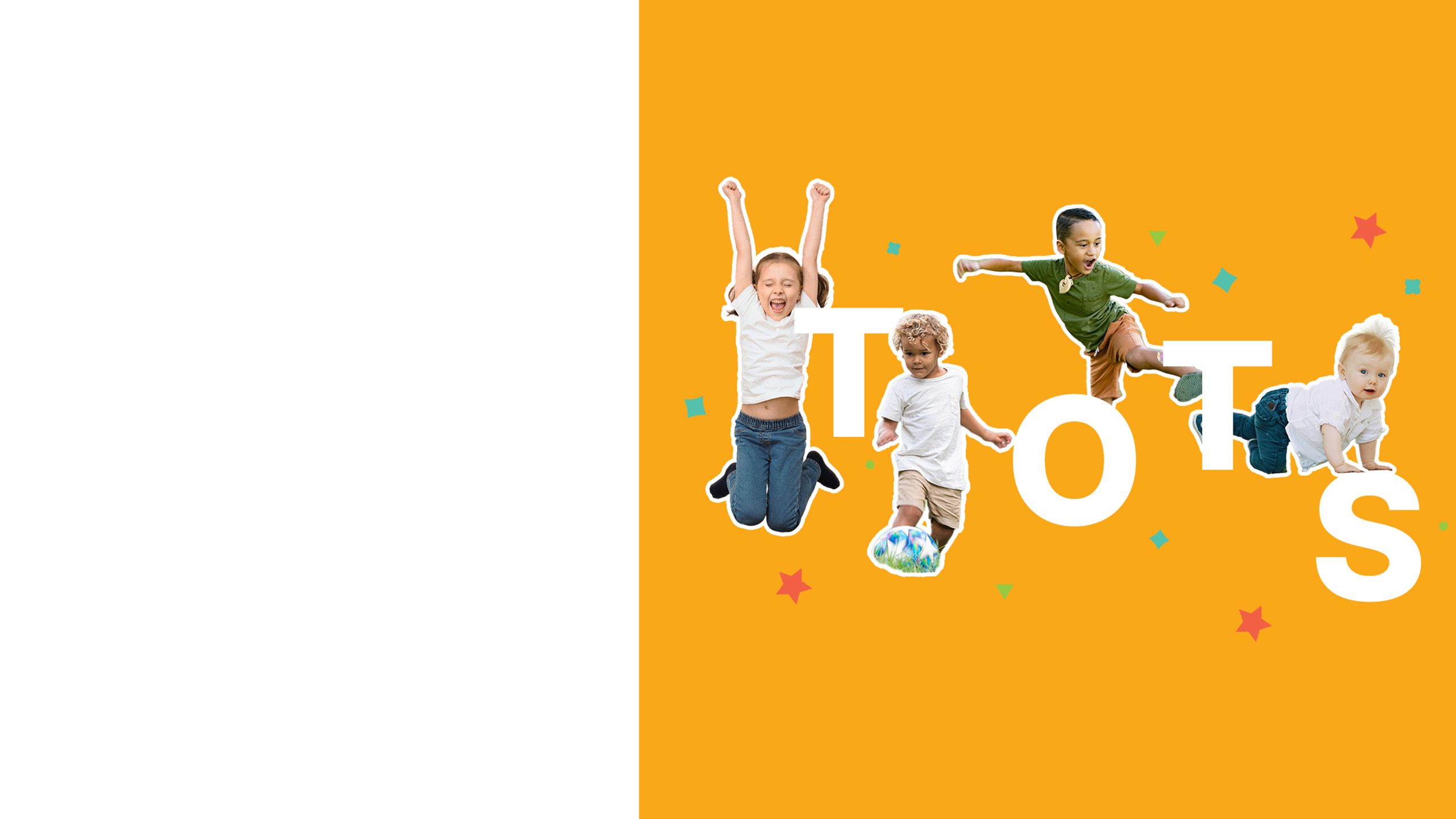
Our Thriving and On Track (TOTs) program continued supporting children aged 0–5 years in Logan and Inala, delivering developmental screening in early childhood education centres (ECECs) and community playgroup settings where families feel safe and engaged.
Parents build trust with educators who see their children daily. When developmental screening happens in familiar early education and childcare settings, participation rates exceed clinic-based models because:
- families don't need to navigate unfamiliar health services
- children feel comfortable, enabling more accurate assessment
- follow-through increases because educators can support families with strategies.
415 early years educators coached on supporting child development
We engaged 415 educators with capacity-building support about child development, with 373 educators receiving TOTs training to support:
- increased knowledge and confidence in identifying developmental concerns
- engaging in sensitive conversations with families on their child’s development
- navigation of referral pathways
- the use of targeted intervention strategies in the classroom.
As a result, families were more proactive and responsive to concerns raised by early years educators, while children accessed specialist developmental support earlier and received more tailored assistance in their learning environments.
285 children screened by a Child Health Nurse in familiar settings
TOTs supported 285 families to access secondary developmental screenings by a child health nurse in their ECEC (up from 209 families last year), with 100% of the 42 families who provided feedback on the service reporting they were ‘very happy’ with appointments and understood next steps to support their child.
"TOTs makes a difference for everyday families."
Early identification enables intervention during critical developmental windows, improving long-term outcomes. When developmental concerns are identified and addressed early, children have better educational, social and health outcomes throughout life.
TOTs is proving how early, place-based intervention and educator capacity building can make a lasting difference for children, families and early childhood educators, as backed by the findings of a longitudinal study conducted by Griffith University.

Mental health care coordination: Reducing deterioration for people with complex needs
For people with severe and complex mental health needs, fragmented services create significant barriers to getting the support they need. Care coordinators take on the service navigation burden, help to advocate for care and ensure different providers work together, and help people maintain access to support to reduce the risk of mental health crisis.
Our programs:
- supported 3,520 people with severe and complex mental health needs (up from 2,188)
- significantly reduced deterioration rates—a key outcome measure indicating people maintained stability
- supported 222 people through NDIS eligibility process
- ensured 471 individuals received service navigation support, including carers and families.


Family violence response: Training and trauma-informed support
Family, domestic and sexual violence impacts multiple health and social care domains—mental health, physical health, economic participation, housing stability and child development. When primary healthcare providers like GPs are confident at identifying the signs and symptoms of abuse and feel confident in broaching this conversation with patients, they can act appropriately to connect their patients to additional supports to help keep them safe.
This year, our commissioned service providers delivered comprehensive support programs and health provider training to respond to the impacts of family and domestic violence, sexual violence and child sexual abuse.
Recognise Respond Refer: Building provider confidence to support victim-survivors in general practice
Many healthcare providers want to help patients they suspect may be at risk of harm or further harm due to family, domestic or sexual violence, but fear saying the wrong thing or making the situation worse. Specialist training exists to provide frameworks and language that enable providers to raise concerns safely and supportively.
We supported the delivery of 52 Recognise, Respond, Refer (RRR) training sessions on identifying the signs and symptoms in patients affected by family, domestic and sexual violence (FDSV) across 243 general practices and Aboriginal Community Controlled Health Organisations.
This year a total of:
- 160 general practitioners (GPs)
- 31 nurses
- 37 health services administration staff
- 11 allied health professionals
were trained to confidently recognise, respond and refer patients and clients in need to services that specialise in providing support to people affected by FDSV, to help end the cycle of violence in our communities.
In addition to providing specialist training, our commissioned Local Link workers provided a single point of contact for general practices, offering direct support to patients experiencing family violence and capacity-building support to practices navigating complex situations.
From the 239 workforce participants in the program this year:
- 92% now feel confident identifying family violence needs
- 91% know appropriate questions to ask when they suspect a patient is experiencing violence
- 346 direct referrals were made to a Local Link specialist to further support patients in need.
Supporting Recovery: Trauma-informed care for victim-survivors of sexual abuse and family and domestic violence
Our Supporting Recovery programs delivered trauma-informed care for people affected by family, domestic and sexual violence (FDSV) and child sexual abuse, with:
- 1,030 episodes of care delivered
- more than 10,800 service contacts across all programs
- greater than 50% client satisfaction.
Trauma-informed care requires sustained engagement for successful intervention as recovery is non-linear: 42% of episodes completed treatment during the year, while 58% of people continued accessing services into the next financial year—reflecting the reality that recovery from trauma takes time and ongoing support.
FDSV is a social factor affecting outcomes across multiple areas—mental health, physical health, economic participation, housing stability and child development. Providers who can identify FDSV and respond accordingly can connect patients to supports that address the root causes, not just symptoms.


Thank you for reading our Year in Review.
For more information on our primary health care programs and initiatives, please visit bsphn.org.au or email us at contactus@bsphn.org.au
Funding disclaimer: While the Australian Government Department of Health, Disability and Ageing has contributed to the funding of this website and its material, the information it contains does not necessarily reflect the views of the Australian Government and is not advice that is provided, or information that is endorsed, by the Australian Government. The Australian Government is not responsible in negligence or otherwise for any injury, loss or damage however arising from the use of or reliance on the information provided on this website.


 Built with Shorthand